

Calamansi Grafted Sintunis: A Bearing Fruit Citrus Hybrid
Introduction to Calamansi Grafted Sintunis
Overview of Calamansi Citrus Plant
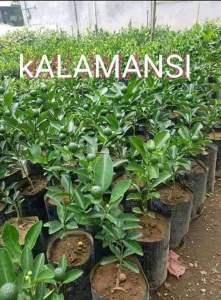
Calamansi, also known as calamondin or Philippine lime, is a small citrus fruit native to the Philippines. With its tangy taste and versatile applications, this fruit has gained popularity worldwide. Calamansi trees are known for their beautiful white flowers, which later turn into bright orange fruits. These plants are easy to grow and maintain, making them a great choice for both experienced and novice gardeners.
Understanding Sintunis Variety
Sintunis is a special variety of calamansi grafted onto a robust rootstock, resulting in a more resilient and productive tree. The Sintunis variety showcases enhanced flavor and nutritional value, making it a popular choice among citrus enthusiasts. By grafting calamansi onto the Sintunis rootstock, growers can enjoy a bountiful harvest of delicious fruits.
Benefits of Growing Calamansi Grafted Sintunis
Enhancing Flavor & Nutritional Value
The calamansi grafted Sintunis tree offers a superior flavor profile compared to its non-grafted counterparts. This is due to the genetic makeup of the Sintunis rootstock, which contributes to the enhanced taste and nutritional value of the fruits. Calamansi Sintunis fruits are rich in vitamin C, antioxidants, and other essential nutrients, making them a healthy addition to any diet.
Improving Tree Health & Resilience
Grafting calamansi onto the Sintunis rootstock results in a more robust and disease-resistant tree. This means that growers can enjoy a healthier, more productive plant with fewer issues related to pests and diseases. Additionally, the Sintunis variety is known for its ability to withstand various environmental conditions, making it a reliable choice for both indoor and outdoor cultivation.
How to Care for Your Calamansi Grafted Sintunis
Planting & Soil Requirements
To ensure optimal growth and fruit production, it is crucial to plant your calamansi grafted Sintunis tree in well-draining soil with a pH range of 5.5 to 6.5. Choose a sunny location with at least six hours of direct sunlight daily. If planting in containers, use a potting mix specifically designed for citrus plants, and make sure the container has drainage holes to prevent waterlogging.
Watering & Fertilizing Techniques
Water your calamansi grafted Sintunis tree regularly, keeping the soil consistently moist but not waterlogged. During hot, dry periods, you may need to increase watering frequency. Fertilize your tree every two months using a balanced, slow-release fertilizer formulated for citrus plants. This will provide the necessary nutrients for healthy growth and fruit production.
Pruning & Pest Control Strategies
Prune your calamansi grafted Sintunis tree annually to maintain its shape and encourage new growth. Remove any dead, damaged, or diseased branches, as well as those growing towards the center of the tree. This will help improve air circulation and light penetration, reducing the risk of pest and disease problems. Monitor your tree regularly for signs of pests and diseases, and treat any issues promptly with appropriate organic or chemical treatments.
Harvesting & Using Calamansi Grafted Sintunis
Timing & Methods for Harvesting
Calamansi grafted Sintunis fruits are ready for harvest when they turn bright orange and have a firm texture. Harvest the fruits by gently twisting them off the tree or using pruning shears to avoid damaging the branches. Store harvested fruits in a cool, dry place, and use within a few days for best flavor and nutritional value.
Culinary Uses & Recipes
Calamansi grafted Sintunis fruits have a wide range of culinary applications, from fresh juice to marinades and sauces. Try incorporating them into your favorite recipes to add a unique, tangy flavor. Some popular dishes include calamansi chicken, calamansi-glazed pork, and calamansi sorbet. Don't forget to experiment with these versatile fruits to discover new and exciting ways to enjoy their delicious taste.
Conclusion & Next Steps
Summary of Key Points
In summary, the calamansi grafted Sintunis tree offers numerous benefits, including enhanced flavor and nutritional value, improved tree health and resilience, and a wide range of culinary applications. By following proper planting, watering, fertilizing, pruning, and pest control techniques, you can enjoy a healthy, productive tree that will provide you with delicious fruits for years to come.
Encouraging Further Exploration
We encourage you to explore the world of calamansi grafted Sintunis trees and discover the many ways they can enhance your gardening experience and culinary adventures. With their unique taste and versatility, these trees are sure to become a favorite addition to any home garden or kitchen.

LOHRAN GENERAL MERCHANDISE
Review
You May Also Like
LoviRa Potted Plant Tool Planting Gardening Tools Shovel Rake Sea Shovels

PVC Safety Rope Floats: Enhancing Pool Fishing Nets, Ski Ropes, Anchor Lines, Marker Buoys & Swimming Lanes

100Pcs Hydroponic Seedling Sowing Sponge 250*250*25mm Hydroponic Foam

Grill Cleaning Kit: A Comprehensive Guide

Expanded Clay Pebbles 1 qt 8mm-14mm Clay Balls for Plants Organic Plant Grow Media Porous Stones for Hydroponics Drainage Decoration Aquaponics and Other Gardening Essentials

Pakbet Eggplant Seeds ( pang pinakbet) 1g by Chia Tai

100 Pcs Plastic Plant Labels Reusable T-Shape Tags with Markers Garden Plants Labels 2.36\" x 3.94\"

Stainless Steel Mini Grill BBQ: Your Ultimate Outdoor Cooking Companion

(1KILO) STERELIZED PURE COCOPEAT - High Quality For Hydroponics Seedlings Ornamental Plants

SHORT NOZZLE FOR BOSCH AND BLACK AND DECKER PRESSURE WASHER GUN SPRAY AQUATAK PW1400 PW1470TD PW1500

KII Portable Kalan Cooking Blower Fan Adjustable Speed for Outdoor BBQ