



4/4 Violin Bow: Student Wenge Bow & Beginner Fiddle Accessory
4/4 Violin Bow: Student Wenge Bow & Beginner Fiddle Accessory
What is a 4/4 Violin Bow?
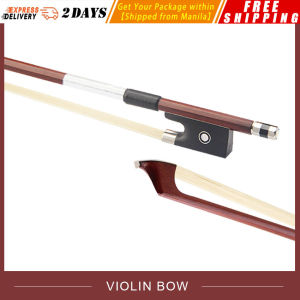
A 4/4 violin bow is a type of bow specifically designed for playing a full-sized violin. It is typically used by intermediate and advanced players, but can also be suitable for beginners who want a high-quality bow right from the start. The 4/4 violin bow consists of a stick, hair, and various accessories that work together to produce sound when drawn across the strings of the violin.
Key Features of a 4/4 Violin Bow
- Stick: The stick is the main component of the bow, which is made from materials such as Brazilwood, carbon fiber, or synthetic materials. The stick provides support and stability for the hair.
- Hair: The hair of the bow is usually made from horsehair and is coated with rosin to increase friction against the strings.
- Frog: The frog is the part of the bow that holds the hair in place and allows the player to adjust the tension of the hair.
- Button: The button is located at the end of the stick and serves as a handle for the player to grip the bow.
Materials Used in a 4/4 Violin Bow
The most common materials used in a 4/4 violin bow include Brazilwood, carbon fiber, and synthetic materials. Brazilwood is a traditional material that provides excellent balance and response, while carbon fiber offers a lighter weight and more consistent performance. Synthetic materials are often used in student bows to provide durability and affordability.
Choosing the Right Beginner Violin Bow
Selecting the right beginner violin bow is crucial for developing proper technique and enjoying the learning process. Consider the following factors when choosing a beginner violin bow:
Factors to Consider When Selecting a Beginner Violin Bow
- Weight: A lighter bow is easier to control and can help beginners develop proper technique.
- Balance: A well-balanced bow will feel comfortable in the hand and provide better control.
- Material: Choose a material that suits your budget and playing style.
Differences Between Student Wenge Bow & Other Types of Violin Bows
Student wenge bows are made from wenge wood, which is known for its durability and affordability. They are ideal for beginners who want a high-quality bow that won't break the bank. Other types of violin bows include Brazilwood bows, carbon fiber bows, and synthetic bows, which offer different levels of performance and affordability.
How to Care for Your Brazilwood Stick Violin Accessory
Proper care and maintenance of your violin bow is essential for ensuring its longevity and optimal performance. Follow these tips to keep your bow in top condition:
Cleaning and Maintaining Your Violin Bow
- Clean the hair: Gently wipe the hair with a soft cloth after each use to remove rosin buildup.
- Loosen the hair: Loosen the hair slightly when storing the bow to prevent warping.
- Inspect the stick: Periodically inspect the stick for any damage or wear and tear.
Storing Your Violin Bow Properly
- Store the bow upright: Store the bow upright in a case or stand to prevent warping.
- Keep the bow away from extreme temperatures: Store the bow in a cool, dry place away from direct sunlight and heat sources.
- Avoid exposure to moisture: Keep the bow away from humid environments to prevent warping and damage.
Getting Started with Playing Violin: Fiddle Bow Techniques
Learning to play the violin requires mastering several essential techniques, including proper bowing. Follow these tips to improve your bowing technique:
Essential Fiddle Bow Techniques for Beginners
- Hold the bow correctly: Hold the bow with a relaxed grip and keep your fingers close together.
- Use proper bow pressure: Apply even pressure to the strings, adjusting as needed for different dynamics.
- Practice proper bowing motion: Focus on a smooth, even motion when drawing the bow across the strings.
Common Mistakes to Avoid While Learning to Play Violin
- Holding the bow too tightly: Holding the bow too tightly can cause tension and affect your playing.
- Using too much pressure: Using too much pressure can cause the bow to stick to the strings and produce a scratchy sound.
- Failing to practice proper bowing motion: Failing to practice proper bowing motion can result in uneven sound and difficulty controlling dynamics.
Conclusion
In conclusion, choosing the right beginner violin bow is essential for developing proper technique and enjoying the learning process. Consider factors such as weight, balance, and material when selecting a bow. Proper care and maintenance of your violin bow, including cleaning, storing, and inspecting, will ensure its longevity and optimal performance. Finally, mastering essential fiddle bow techniques and avoiding common mistakes will help you improve your playing and enjoy the beautiful sound of the violin.

George Global
Review
You May Also Like
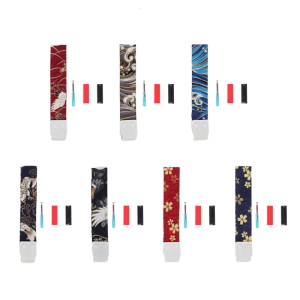
Stylish Keyboard Strap Keyboard Lanyard Slings With Gold Foil Design Lightweight And Adhesive Strap For All Users
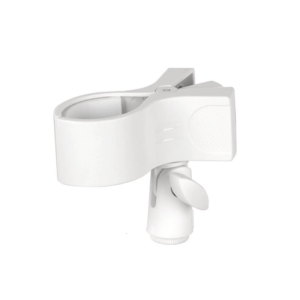
Large Universal Microphones Clip Stand Accessory with Enhanceds Grip and 180 Degree Adjustment for Handheld Mics

Musiclily Ultra UNF4-48X1/4 Inch Stainless Steel Bridge Saddle Height Screws for USA Electric Guitar (Set of 12)
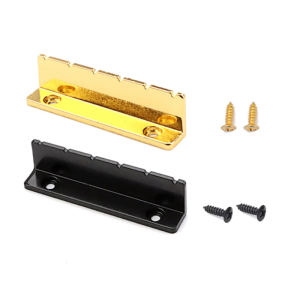
6 String Guitar Pillows Durable Pre-slotted Metal Slotted Guitar Nut Kit for Electric Guitar Spare Repair Replacements
120Pcs Mechanical Keyboards Switches Sticker Shafts Underpad Single Switches PEs Material Shafts Pad
8 Hole Flute Students Holes Beginner Adjustable Flute Children Primer Flute/Professional Sound Easy Non-Toxic ABS

Vanessa Van Edwards - People Intelligence MasterClass 2025
Knees and Toes! (Rookie Toddler) Board book by Scholastic Original English books
Renovating Democracy
Hooked on Phonics Learn to Read Pre-K Level 2 DVD Childrens natural spelling learning textbook series
16" Copper Alloy Jazz Drum Cymbals - Melodious Tinkle Sound - Perfect for Percussion Instruments