


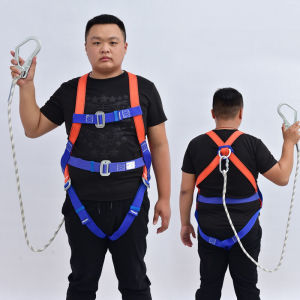
Ready Stock: Safety Full Body Comfort Harness
Ready Stock: Safety Full Body Comfort Harness
What is a Construction Waist Harness?
A construction waist harness, also known as a fall protection harness, is a personal protective equipment (PPE) designed to safeguard workers who work at heights. This type of harness is specifically tailored to provide a secure attachment point for fall arrest systems, ensuring the safety of the worker in case of a fall. The construction waist harness is a crucial component of fall protection systems, as it helps distribute the force of a fall across the strongest parts of the body, reducing the risk of injury.
Key Features & Benefits
Construction waist harnesses offer several key features and benefits:
-
Adjustability: These harnesses are designed to be adjustable, allowing workers to customize the fit to their body size and shape. This ensures a secure and comfortable fit, reducing the risk of the harness shifting during work activities.
-
Comfort: Construction waist harnesses are made from high-quality materials that provide comfort and support during extended periods of wear. Some models even feature breathable padding and ergonomic design elements to minimize discomfort.
-
Durability: These harnesses are built to withstand the rigors of construction work, with robust materials and reinforced stitching that can handle repeated use and exposure to harsh environments.
-
Compatibility: Construction waist harnesses are compatible with a wide range of fall protection systems, including lanyards, lifelines, and anchor points.
Types of Construction Waist Harnesses
There are several types of construction waist harnesses available, each designed for specific work environments and applications:
-
Full-body harnesses: These harnesses provide the highest level of protection by distributing the force of a fall across the strongest parts of the body, including the shoulders, thighs, and hips.
-
Waist-only harnesses: These harnesses are designed for lighter-duty applications and provide a secure attachment point for fall arrest systems, but they do not offer the same level of protection as full-body harnesses.
-
Climbing belts: These harnesses are specifically designed for workers who perform vertical climbing tasks, such as rock climbers or window washers. They typically feature a reinforced waist belt and leg loops to provide secure attachment points for fall arrest systems.
How to Choose the Right Harness for Your Needs
Selecting the right construction waist harness for your needs involves assessing your work environment and evaluating your safety requirements.
Assessing Your Work Environment
Consider the specific hazards present in your work environment, such as the height at which you will be working, the type of surface you will be working on, and any potential obstacles or hazards that could affect your ability to safely work at heights.
Evaluating Your Safety Requirements
Determine the level of protection required for your specific application, taking into account factors such as the weight of the worker, the type of fall arrest system being used, and any additional safety equipment that may be needed.
How to Properly Use a Fall Protection Harness
Proper use of a construction waist harness involves fitting and adjusting the harness, inspecting it before each use, and maintaining it regularly.
Fitting & Adjusting Your Harness
To ensure a secure and comfortable fit, follow these steps:
-
Put on the harness over your head and shoulders, making sure that the D-ring is positioned correctly.
-
Adjust the straps to fit snugly around your body, making sure that there is no excess slack.
-
Ensure that the leg loops are positioned correctly, with the straps going over the top of your thighs.
-
Check that the harness is properly secured before beginning work.
Inspecting Your Harness Before Each Use
Regular inspection of your construction waist harness is essential to ensure its continued safety and effectiveness. Inspect the harness before each use for signs of wear and tear, such as frayed straps, damaged buckles, or missing components.
The Importance of Regular Maintenance & Inspection
Regular maintenance and inspection of your construction waist harness are crucial to ensure its continued safety and effectiveness.
Understanding the Lifespan of Your Harness
Construction waist harnesses have a limited lifespan, typically ranging from 5 to 10 years depending on the manufacturer's specifications. It is important to follow the manufacturer's guidelines for replacement and disposal of the harness.
Recognizing Signs of Wear & Tear
Signs of wear and tear may include frayed straps, damaged buckles, or missing components. If any of these signs are present, the harness should be replaced immediately.
Conclusion
Construction waist harnesses are essential PPE for workers who work at heights. By understanding the key features and benefits of construction waist harnesses, selecting the right harness for your needs, properly using and maintaining your harness, and recognizing the importance of regular inspection and maintenance, you can help ensure the safety of yourself and your coworkers while working at heights.

Toronto
Review

You May Also Like
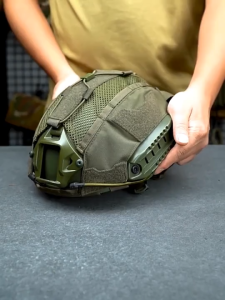
FAST SF Tactical Helmet: Multifunctional Luxury Helmet Cover & Cloth
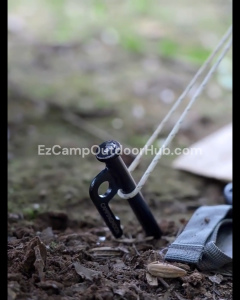
CAMPINGMOON Black Carbon Steel Peg Stakes Pack of 6pcs or 8pcs 20cm 30cm 40cm Length Outdoor Camping Ground Nail Tent Wind Rope Line Pegs Stakes Set Lot Camping Moon Heavy Duty Original Metal Nails

Tactical 10MM Steel Chain Buddha Beads Hand Bracelet Necklace EDC Outdoor Tools Self Protection Survival

AOLIKES Kids Cycling Gloves Half Finger Skate Child Mountain Bike Bicycle Gloves Sports Gloves for Boys and Girls Children
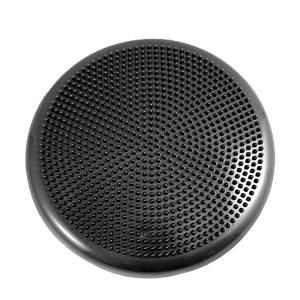
Winnereco PVC Soft Yoga Balance Board Reusable Wobble Massage Balances Cushion Air Cushion Massage Pad for Home Massage Cushion
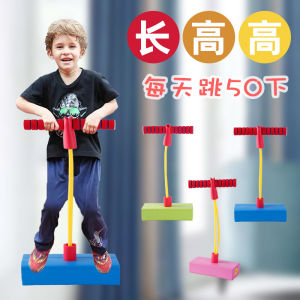
Kids Pogo Stick: Enhancing Sensory Training & Balance
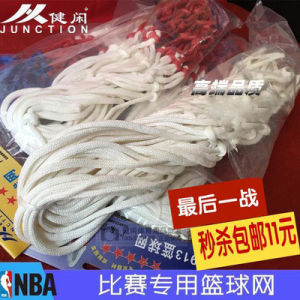
Durable Thickened 12-Carat Basketball Net Basket Rim Hoop Competition Standard Basketball Backboard Net Fitness Sports Equipment
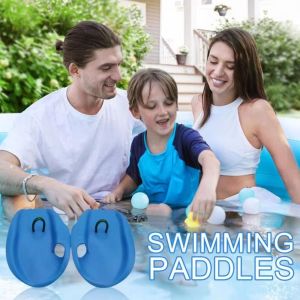
SERAPHYXO PVC Kids Swimming Training Paddles Adjustable Straps Practice Correction Swimming Ergonomic Paddles Sports Silicone Palm Professional Swim Hand Paddles Beach Swimming Pool
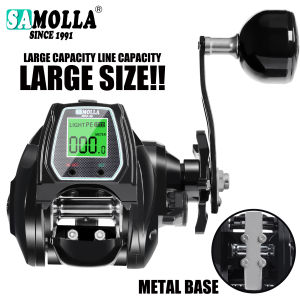
SAMOLLA Large Deep Sea Electronic Fishing Reel Baitcasting Saltwater Waterproof 6.4:1 16KG Drag Catfishing Trolling Metal Base
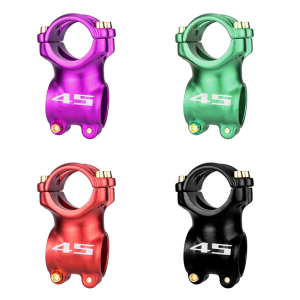
Road Bike Bicycles Stem High Strength Light Weight Handlebars Stem 7 Degree Adjustable Bike Stem Easy to Install
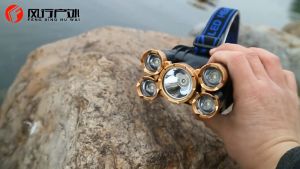
Rechargeable 5 Led Strong Headlight Super Bright Head-Mounted Headlight Flashlight for Outdoor Camping and Night Fishing