


Kyphosis Correction & Back Posture Support
Kyphosis Correction & Back Posture Support
Understanding Kyphosis Correction & Back Posture Support
What is Kyphosis?
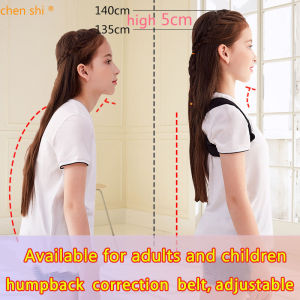
Kyphosis is a spinal condition characterized by an excessive curvature in the upper back, often resulting in a hunchback appearance. This condition can lead to upper back pain, poor posture, and decreased self-esteem. It's crucial to address kyphosis early on to prevent further complications and improve overall spine health.
How Does a Posture Corrector Work?
A posture corrector, also known as a kyphosis correction brace, works by gently guiding the spine back into its natural alignment. By applying consistent pressure to the shoulders and upper back, a posture corrector helps to stretch the muscles and improve posture over time. This can lead to increased confidence, improved spine health, and reduced upper back pain.
Who Can Benefit from a Posture Corrector?
Posture correctors can benefit anyone who spends extended periods sitting at a desk or computer, including children, women, and men. They are particularly useful for individuals who have developed kyphosis due to poor posture habits or other factors.
Choosing the Right Posture Corrector
Key Features to Look For
When selecting a posture corrector, consider the following features:
- Material: Opt for a brace made from breathable materials, such as T-cloth and sponge, to ensure comfort during extended wear.
- Color: Choose a color that complements your wardrobe, such as black, to make it easier to wear discreetly under clothing.
- Size: Look for a brace that comes in multiple sizes, such as S/M, to ensure a proper fit.
Materials & Construction
Posture correctors are typically made from a combination of breathable materials, such as T-cloth and sponge, to ensure comfort during extended wear. The core spine support plate is usually made from a lightweight, durable material that provides consistent pressure to the shoulders and upper back.
Adjustability & Comfort
Look for a posture corrector with adjustable straps that allow for easy fitting and removal. This will help ensure a comfortable fit and prevent discomfort or soreness during extended wear.
Using Your Posture Corrector Effectively
Proper Fitting & Adjustment
To get the most out of your posture corrector, it's important to ensure a proper fit. Follow the manufacturer's instructions for fitting and adjustment, and make any necessary adjustments to the straps to ensure a comfortable fit.
Wearing Time & Frequency
It's recommended to start wearing your posture corrector for half an hour a day at the beginning, gradually increasing the wearing time as muscle memory develops after about a week. This will help to avoid discomfort or soreness during extended wear.
Maintaining Your Posture Corrector
To keep your posture corrector in good condition, follow the manufacturer's instructions for cleaning and maintenance. This will help to extend the life of your brace and ensure continued effectiveness.
Real-Life Benefits of Using a Posture Corrector
Upper Back Pain Relief
Posture correctors can provide significant relief from upper back pain caused by poor posture habits or kyphosis. By gently guiding the spine back into its natural alignment, a posture corrector can help to stretch the muscles and reduce discomfort.
Improved Posture & Spine Health
Using a posture corrector consistently can lead to improved posture and spine health over time. By encouraging proper alignment, a posture corrector can help to prevent further complications and promote overall well-being.
Increased Confidence & Self-Esteem
By improving posture and reducing upper back pain, a posture corrector can help to boost confidence and self-esteem. This can lead to improved mental health and overall quality of life.

Encounter Beaut House
You May Also Like
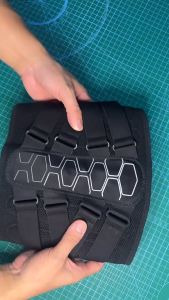
Back Brace for Lower Back Pain Relief with Pulley System & Lumbar Pad Lumbar Support Belt for Sciatica Herniated Disc

SALVEO Barley Grass Powder Juice Trial Pack: 100% Organic Supplement Rich in Vitamins & Minerals
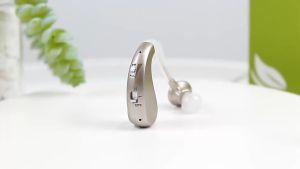
Wireless Hearing Aid Amplifier for Adult Senior Original USB Rechargeable Digital for Elder Hearing Amplifiers Aids Bha-1204 Adjustable Sound Voice Amplifier (suit for Both ear) Set of One Hearing Aids for Elderly Moderate To Severe Loss Behind The Ear
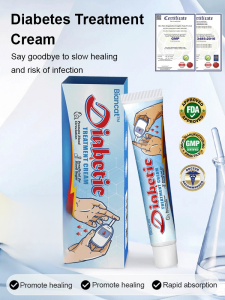
Blood Sugar Lowering Health Cream Diabetes Care Cream Regulates Blood Sugar Balance Health 降糖保健霜
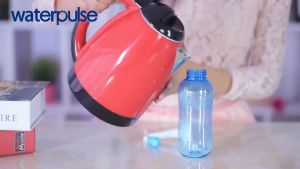
300ml Water pulse Nasal Wash Pot Nose Rinsing Bottle Irrigater nassal spray Washer with 30 Bag 2.7g Nose Antibacterial Powder Washing Salt for Adult Allergic Rhinitis Sinus Daily Nasal Rinsing Nose Care Tool
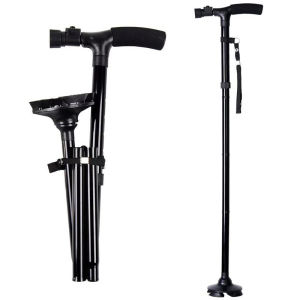
Collapsible Telescopic Folding Cane Elder Cane LED With alarm Walking Trusty Sticks Elder Crutches for Mothers the Elder Fathers
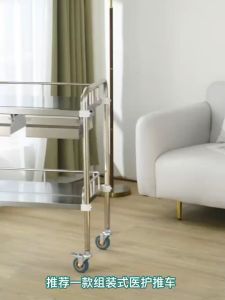
304 metal Stainless steel medical treatment trolley cart organizer heavy trolley multifunctional equipment push cart Trolley Organizer For Office Organizer For Back Of Car Seat - Lazada
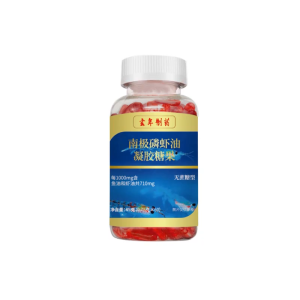
New Arctic Phosphorus Oil Nutrient Oil Phosphorus Oil High-purity upgraded version of Antarctic krill oil

Nasure 400g Milk for Diabetic Individuals - Helps Control Blood Sugar
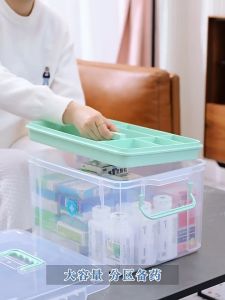
SALVO Multi-layer Domestic Medicine Box Large Medicine Box Transparent Plastic Portable Divided Medicine Storage Box Portable First Aid Box Domestic Medicine Box Medicine Kit Box Storage Container Locker Box Medical Kit First Aid
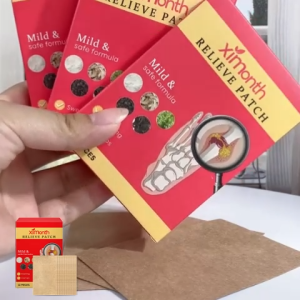
Ximonth Pain Relieve Patch Plaster Herbal Patch Neck Knee Back Pain Joint Muscle Improves Sleep Blood Circulation 12Pieces