


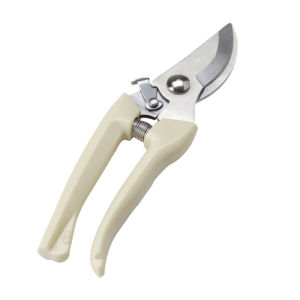
2 Kinds Pruning Shears Bypass Blade Pruner Straight Tip Scissors Plant Trim Horticulture Pruner Cut Secateur Shrub Garden Tool Branch Shear Orchard Folding Saw Set
Welcome to Dol ShopAll products support cash on delivery, All products in stockFast ship out from Paranaque CityFollow us, get more promotions100% Brand New and High Quality.♂️♀️♂️♀️♂️♀️♂️♀️♂️♀️Feature:1. Scissors are made of high‑quality stainless steel, with high hardness and stable performance, ensuring their durability2. The long‑handled, edge scissors head adopts the principle of labor‑saving lever to enhance the working experience3. Scissors have a spring between the handles to allow it to spring back, thus ensuring it is effortless4. Widely used for gardening pruning of fruit trees, flowers and plants, and bonsai5. Non‑slip handle and spring mechanism, with controlled knife edge to retract, not easy to fatigue♂️♀️♂️♀️♂️♀️♂️♀️♂️♀️Specifications:Blade: Stainless SteelHandle: PVCBypass Pruning Shears: 17.5 * 4.5 cmStraight Tip Garden Scissors: 19.5 * 4.5 cmPackage:1 x Bypass Garden Pruning ShearsOR 1 x Straight Tip Garden Scissors♂️♀️♂️♀️♂️♀️♂️♀️♂️♀️Notes:Due to the light and screen difference, the item's color may be slightly different from the pictures.Please allow 1-2 cm differences due to manual measurement.Dear Friend! You may find that someone sells at a lower price than us but they cannot guarantee the same quality and service as we do.If you have any suggestions/feedback for the product or our store, please feel free to contact us.If you are satisfied with the product, hope you can give us a good review, thank you in advance.

FM MALL
You May Also Like
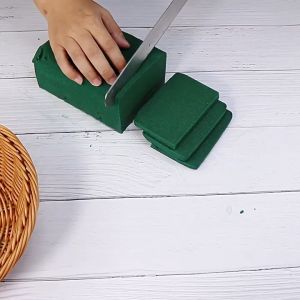
Flower Cutting Mud Knife Floral Foam Cutter Rose Bouquet Floral Flower Mud Tool Knife
10Pcs Plants Garden Cloches Heavy Rain Resistance Ventilation Insect-Proof Plant Shelter
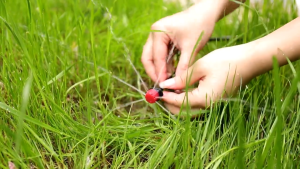
200PCS Garden Irrigation Nozzle Adjustable Dripper Sprinkler Emitter Micro Drip Watering Spray Nozzle Greenhouse Emitter Micro Drip Watering Dropper Head
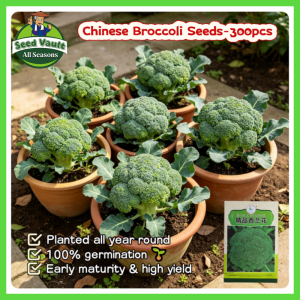
Fast Growing 300pcs Fresh Organic Broccoli Seeds for Planting Vegetables High Yield Broccoli Sprouts Seeds Green Cauliflower Vegetables Seeds for Gardening Balcony Bonsai Broccoli Seedlings Live Broccoli Vegetable Plant Seeds Buto Ng Gulay Easy To Grow
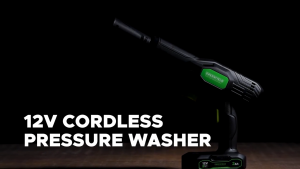
Greenfield Cordless Pressure Washer 12V
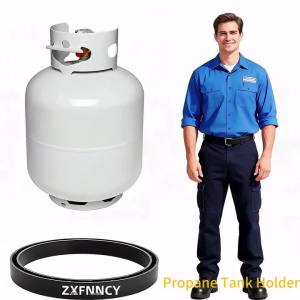
Propane Tank Holder Heavy Duty Rubber Stand for 20-40 lb Cylinders Prevents rust rings and scratches on patios decks and RV floors while providing stable support and wireless gauge clearance.
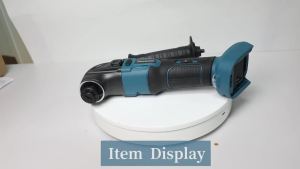
Makita | Makita Oscillating Multi-Tool 1.6° Oscillation Angle Soft Grip Handle LED Light for Home Renovation & Repair Work tools
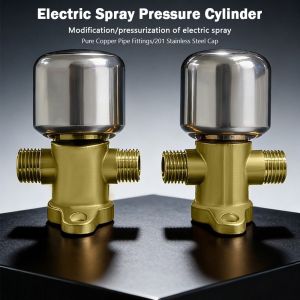
WAPKTY Full Copper Sprayer Pressure Cylinder Removable Booster Pressure Garden Sprayer Cylinder Garden Tool Parts Heavy Duty Electric Sprayer Air Tank Garden Spraying

TIYA NATY Multipurpose Garden Hand Tool – Traditional Farming Tool for Weeding Harvesting Planting | Wooden Handle Blade
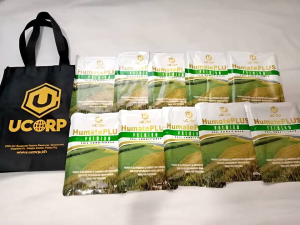
HumatePlus 100 Gram Organic Soil Conditioner For Plants Growth
![[Booster 88] – Booster 88 Plant Blooming & Fruit Booster 150Ml Ffa - Organic Plant Fertilizer to Boost Flowering Fruiting & High Yield](https://img.lazcdn.com/g/ff/kf/Sa4a2b781bc724b1bb15366766f992944F.png_300x300q80.png)
[Booster 88] – Booster 88 Plant Blooming & Fruit Booster 150Ml Ffa - Organic Plant Fertilizer to Boost Flowering Fruiting & High Yield