

Clinical Waste Container & Medicinal Accessories Storage: Easy-to-Clean Disposal Solutions

Clinical Waste Container & Medicinal Accessories Storage: Easy-to-Clean Disposal Solutions

What Are Clinical Waste Containers?

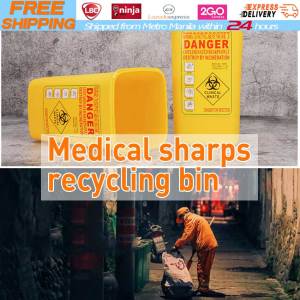
Clinical waste containers are specially designed receptacles used to safely store and dispose of hazardous medical waste, including sharps, pharmaceuticals, and infectious materials. These containers are essential for maintaining a safe environment in healthcare facilities and preventing the spread of infections.

Types of Clinical Waste Containers

There are various types of clinical waste containers available, each designed to accommodate different types of waste. Some common types include:

  • Sharps disposal containers: These containers are specifically designed to safely store and dispose of needles, syringes, and other sharp objects.

  • Pharmaceutical waste containers: These containers are used to store and dispose of expired, unused, or contaminated medications.

  • Infectious waste containers: These containers are used to store and dispose of waste contaminated with blood, bodily fluids, or other potentially infectious materials.

Benefits of Using Clinical Waste Containers

Using clinical waste containers offers numerous benefits, including:

  • Improved safety: Properly storing and disposing of hazardous medical waste helps prevent injuries, infections, and environmental contamination.

  • Regulatory compliance: Adhering to local regulations and guidelines for medical waste management ensures that healthcare facilities operate legally and responsibly.

  • Cost savings: By properly managing and disposing of medical waste, healthcare facilities can reduce costs associated with waste disposal and potential fines for non-compliance.

How to Choose the Right Medicinal Accessories Storage Solution

Selecting the appropriate medicinal accessories storage solution is crucial for maintaining a safe and efficient healthcare environment. Consider the following factors when choosing a storage case:

  • Capacity: Determine the appropriate size and capacity based on the volume of waste generated by your facility.

  • Material: Choose a durable material that can withstand the weight and pressure of the waste contents.

  • Design: Opt for a container with a secure lid and tamper-evident seal to prevent unauthorized access and contamination.

  • Compliance: Ensure the storage solution meets local regulations and guidelines for medical waste management.

Feather Razor Blade Disposal: Best Practices

Feather razor blades are commonly used in medical procedures and must be disposed of properly to prevent injuries and infections. Follow these best practices for safe disposal:

  • Use a sharps disposal container: Store feather razor blades in a designated sharps disposal container, which is puncture-resistant and tamper-evident.

  • Label the container: Clearly label the container with the contents and any necessary warnings or instructions.

  • Dispose of the container properly: Once the container is full, dispose of it according to local regulations and guidelines for medical waste management.

Easy-to-Clean Disposal Cases: Key Features & Benefits

Easy-to-clean disposal cases offer numerous advantages for healthcare facilities, including:

  • Hygienic design: A hygienic design minimizes the risk of contamination and infection transmission.

  • Durable materials: Durable materials ensure the container can withstand frequent cleaning and disinfection.

  • Secure lid: A secure lid prevents unauthorized access and tampering.

  • Tamper-evident seal: A tamper-evident seal provides an added layer of security and traceability.

Sharps Disposing Trash Can: Design & Functionality

A sharps disposing trash can is specifically designed to safely store and dispose of needles, syringes, and other sharp objects. Key features include:

  • Puncture-resistant material: A puncture-resistant material protects against accidental needle sticks and injuries.

  • Secure lid: A secure lid prevents unauthorized access and tampering.

  • Tamper-evident seal: A tamper-evident seal provides an added layer of security and traceability.

  • Disposal instructions: Clear disposal instructions ensure proper handling and disposal of the container.

Clinical Waste Container Maintenance Tips

Proper maintenance of clinical waste containers is essential for ensuring their effectiveness and longevity. Follow these tips for optimal performance:

  • Regular cleaning: Regularly clean and disinfect the container to prevent contamination and infection transmission.

  • Inspect for damage: Inspect the container regularly for signs of damage or wear and replace as needed.

  • Proper disposal: Dispose of the container according to local regulations and guidelines for medical waste management.

Conclusion

Clinical waste containers and medicinal accessories storage solutions play a crucial role in maintaining a safe and efficient healthcare environment. By choosing the right solution and following best practices for disposal and maintenance, healthcare facilities can minimize risks and ensure regulatory compliance. Investing in easy-to-clean disposal cases and sharps disposing trash cans can provide peace of mind and contribute to a healthier workplace.

SOYA

SOYA

Seller ratings 95%

Review

Oops
This video has no reviews.