


Commonly Used MPPT Solar Charging Controllers for Off-Grid Solar Systems
Commonly Used MPPT Solar Charging Controllers for Off-Grid Solar Systems
What is an MPPT Solar Charging Controller?
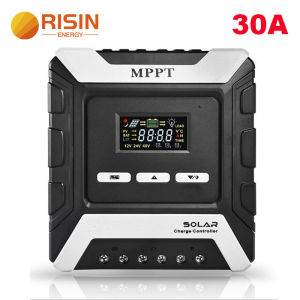
An MPPT (Maximum Power Point Tracking) Solar Charging Controller is a crucial component of off-grid solar systems. It optimizes the power output from solar panels by continuously adjusting the voltage and current to maintain maximum efficiency. This ensures that the solar energy is effectively converted into usable electrical energy for charging batteries or powering appliances.
Key Features of RSMPPT Controllers
The RSMPPT MPPT Solar Charging Controller offers a range of features that make it an ideal choice for off-grid solar systems:
- Voltage: RSMPPT controllers are available in 12V, 24V, 36V, and 48V configurations, allowing them to adapt to various system requirements.
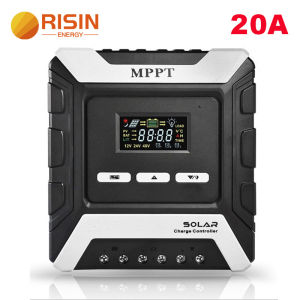
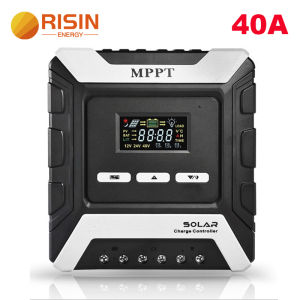
- Current: Available in 10A, 20A, 30A, 40A, 50A, 60A, and 80A models, RSMPPT controllers cater to different power needs.
- Applications: RSMPPT controllers can be used as charger controllers, lighting controllers, and solar system controllers, making them versatile and adaptable to various applications.
How RSMPPT Controllers Work
RSMPPT controllers work by constantly monitoring the voltage and current from solar panels. They adjust the operating point of the solar panel to maintain maximum power output. This is achieved through an algorithm that tracks the maximum power point (MPP) of the solar panel and adjusts the voltage and current accordingly. As a result, RSMPPT controllers provide higher efficiency and better performance compared to traditional PWM (Pulse Width Modulation) controllers.
Choosing the Right MPPT Solar Charging Controller
Selecting the appropriate MPPT Solar Charging Controller depends on several factors, including voltage and current requirements, as well as compatibility with specific applications.
Voltage and Current Considerations
When choosing an RSMPPT controller, it's important to consider the system voltage and the maximum current required. RSMPPT controllers are available in 12V, 24V, 36V, and 48V configurations, allowing them to adapt to different system requirements. Additionally, RSMPPT controllers come in various current ratings, ranging from 10A to 80A, to accommodate different power needs.
Applications & Compatibility
RSMPPT controllers are versatile and can be used in various applications, including charger controllers, lighting controllers, and solar system controllers. They are compatible with a wide range of solar panels and batteries, making them suitable for both residential and commercial off-grid solar systems.
Benefits of Using RSMPPT MPPT Solar Charging Controllers
RSMPPT controllers offer several benefits, including efficiency, performance, reliability, and durability.
Efficiency and Performance
RSMPPT controllers provide higher efficiency and better performance compared to traditional PWM controllers. They continuously adjust the operating point of the solar panel to maintain maximum power output, resulting in increased energy production and reduced energy waste.
Reliability and Durability
RSMPPT controllers are built to last, with robust construction and reliable components. They are designed to withstand harsh weather conditions and operate efficiently in extreme temperatures, making them ideal for off-grid solar systems.
How to Install and Maintain Your RSMPPT MPPT Solar Charging Controller
Proper installation and maintenance are crucial for ensuring the optimal performance of RSMPPT controllers.
Installation Tips
- Read the Manual: Before installing the RSMPPT controller, carefully read the user manual to understand the installation process and safety precautions.
- Mounting Location: Choose a mounting location that is easily accessible and protected from harsh weather conditions.
- Connect the Solar Panels: Connect the solar panels to the RSMPPT controller according to the manufacturer's instructions.
- Connect the Battery: Connect the battery to the RSMPPT controller according to the manufacturer's instructions.
Maintenance and Troubleshooting
Regular maintenance and troubleshooting are essential for keeping the RSMPPT controller in optimal condition.
- Check Connections: Regularly check the connections between the solar panels, battery, and RSMPPT controller to ensure they are secure and free from corrosion.
- Monitor Performance: Monitor the performance of the RSMPPT controller regularly to identify any issues early on.
- Clean the Solar Panels: Clean the solar panels periodically to remove dirt and debris that may affect their performance.
- Contact Support: If you encounter any issues with the RSMPPT controller, contact the manufacturer's support team for assistance.

Risin Energy Onestop
Review

You May Also Like

【New upgrade】DEKES Manual Hydraulic Hose Crimping Tool Auto A/C Hose Hydra-Crimper Repair Air Condition Hose 71500

Transparent Japanese Style Adhesive Hooks Multi Purpose Strong Absorption No Trace Suction Gel Wall Hanging Hooks for Small Items

SC/FC/ST Fiber Optic Cleaner One-Click Cleaner 2.5mm Universal Connector Fiber Optic Cleaning Pen

Ronix RH-3528 (125mm / 5") & RH-3529 (180mm / 7") Turbo Diamond Cup Grinding Wheels for Concrete & Stone High-Quality Abrasive Discs Smooth Finish Turbo-Row Design Wet/Dry Cut Angle Grinder Compatible Precision Balanced Steel Body Durable & Long-Las

SADSAF Winter Skiing Soft Outdoor Keep Warmer Adult Earflap Female Ear Warmers Folding Ear Cover Plush Earmuffs Earcap

304 Stainless Steel Screw And Bolt Combination Set M3 Screw Nut Washer Set 320pcs Various Nuts And Bolts Flat And Spring Lock Washers With Housing
3-Port Check Valve Brass Male-Threaded Air Compressors Check Valve 20*19*10mm
Tajima 8352 96mm Modern Cabinet Handle (Satin Nickel) (2 pcs) Drawer Handle Cabinet Door Handle
Dewalt 25 ft. Tape Measure with Rechargeable LED Light

ZEO Protective Labor Protection Gloves Cotton Glove 1 pair/5 pairs
Woodworking Router Corner Radius Templates Jig R10 to R50 Routing Curved Corners Milling Circular Radian Hardness ABS Tool