


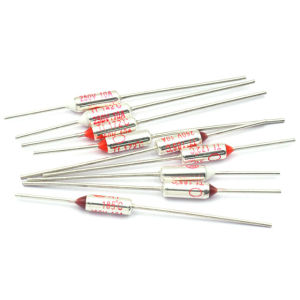
TF Rice Cooker Temperature Thermal Fuse: RY 10A 15A 250V & 142C 172C 185 192C
TF Rice Cooker Temperature Thermal Fuse: RY 10A 15A 250V & 142C 172C 185 192C
Introduction to TF Rice Cooker Temperature Fuses
TF rice cooker temperature fuses, also known as thermal fuses for rice cookers, are safety devices designed to protect your appliance from overheating. These temperature protection fuses for appliances, such as the RY 10A 15A 250V fuse, play a crucial role in ensuring the safe operation of rice cookers by cutting off the power supply when the internal temperature exceeds the set limit.
What is a TF Rice Cooker Temperature Fuse?
A TF rice cooker temperature fuse is a device that automatically disconnects the power supply when the internal temperature of the rice cooker reaches a certain threshold. This helps prevent potential hazards caused by overheating, such as fires or damage to the appliance.
Key Features & Benefits of TF Rice Cooker Temperature Fuses
- High Sensitivity: TF rice cooker temperature fuses are designed to detect even slight changes in temperature, providing reliable protection against overheating.
- Durability: These fuses are built to withstand harsh conditions, ensuring long-lasting performance.
- Easy Installation: With simple installation procedures, you can easily replace or install a new TF rice cooker temperature fuse if needed.
- Wide Application Range: These fuses can be used in various appliances, including rice cookers, water heaters, and electric kettles.
How to Install a TF Rice Cooker Temperature Fuse
Installing a TF rice cooker temperature fuse is a straightforward process that requires minimal tools and materials.
Tools & Materials Needed for Installation
- Screwdriver
- Wire stripper
- TF rice cooker temperature fuse (RY 10A 15A 250V)
Step-by-Step Installation Guide
- Turn off the power supply to the rice cooker.
- Remove the screws securing the rice cooker's outer casing.
- Locate the existing temperature fuse and disconnect it from the wiring.
- Strip the wires connected to the temperature fuse using a wire stripper.
- Connect the new TF rice cooker temperature fuse to the wiring.
- Secure the outer casing back onto the rice cooker.
- Restore power to the rice cooker and test its functionality.
Understanding the Product Architecture of TF Rice Cooker Temperature Fuses
The product architecture of TF rice cooker temperature fuses consists of several components working together to ensure reliable protection against overheating.
Spring & Outgoing Line
The spring provides a constant force to maintain contact between the outgoing line and the temperature sensing body, ensuring proper electrical connection.
Temperature Sensing Body & Metal Shell
The temperature sensing body detects changes in temperature, while the metal shell protects the internal components from external factors.
Contact Line, Magnetic Bead, & Sealing Compound
The contact line establishes electrical connectivity, the magnetic bead ensures proper alignment, and the sealing compound prevents moisture intrusion.
Choosing the Right TF Rice Cooker Temperature Fuse
Selecting the appropriate TF rice cooker temperature fuse depends on various factors, such as the appliance's power rating and operating temperature range.
Factors to Consider When Selecting a TF Rice Cooker Temperature Fuse
- Power rating (e.g., 10A, 15A)
- Voltage rating (e.g., 250V)
- Operating temperature range (e.g., 142C, 172C, 185C, 192C)
Common Applications & Use Cases for TF Rice Cooker Temperature Fuses
TF rice cooker temperature fuses are commonly used in various appliances, such as:
- Rice cookers
- Water heaters
- Electric kettles
- Slow cookers
Maintaining & Troubleshooting TF Rice Cooker Temperature Fuses
Regular maintenance and troubleshooting techniques can help ensure the proper functioning of TF rice cooker temperature fuses.
Regular Maintenance Tips for TF Rice Cooker Temperature Fuses
- Inspect the fuse regularly for signs of wear or damage.
- Clean the fuse and surrounding components to prevent dust buildup.
- Replace the fuse if it shows signs of malfunction or wear.
Common Issues & Troubleshooting Techniques
- Fuse tripping: Check for overheating issues and ensure proper ventilation.
- Inconsistent performance: Inspect the wiring connections and replace any damaged components.
- Malfunctioning fuse: Replace the fuse if it fails to reset after tripping.

ju14802
You May Also Like
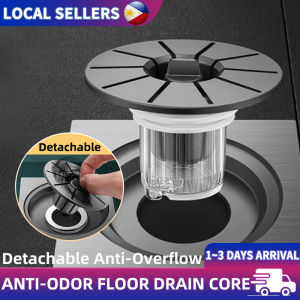
Bathroom Anti-Odor Floor Drain Core Water Anti-Backflow Plug Filter Anti-Odor Shower Drain Cover Hair Filter Detachable
![[Quick drying] Waterborne wood paint solid wood door furniture renovation paint anti-corrosion wood varnish environmental protection self-brush color change](https://img.lazcdn.com/g/ff/kf/S1dbf6988f7c84faeace10f4e579fb7b57.jpg_300x300q80.jpg)
[Quick drying] Waterborne wood paint solid wood door furniture renovation paint anti-corrosion wood varnish environmental protection self-brush color change

Paint Brush White Bristles 1 inch - 4 1/2 inches EcoBuilderPH
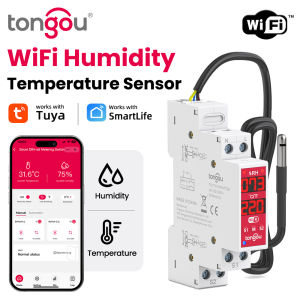
Tuya 18mm DIN Rail WiFi 2-Gang Smart Switch with Temp & Humidity Sensor 3840W AC/300W DC Timer Smart Life/Alexa/Google
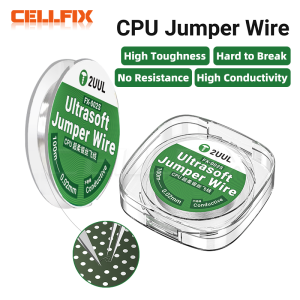
2UUL CPU Jumper Wire FX-002S 100m High Conductivity Silver Wire For Mobile Phone Motherboard CPU Repair Welding Leads Tools
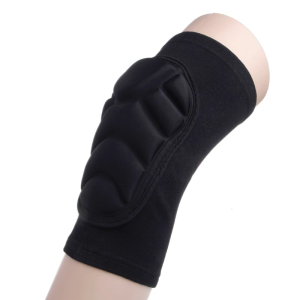
1PC Elbow Pad Protector Brace Support Guard Arm Guard Gym Padded Sports Sleeve

MX450 Automatic Regulator: A Comprehensive Guide
![[COD] jiameitan High Quality U Groove 625 Round Pulley Ball Bearing Wheel Roller For Door Windows Shower Pulleys Drawer POM Guide Wheel](https://img.lazcdn.com/g/p/df1353570fe1ec8018faf4c4cebd8587.jpg_300x300q80.jpg)
[COD] jiameitan High Quality U Groove 625 Round Pulley Ball Bearing Wheel Roller For Door Windows Shower Pulleys Drawer POM Guide Wheel
![[COD] Cozyroom Door Lock Guard Latch Bolt 90 180 Degree Stainless Steel Toggle Latch Sliding barn Door Lock Black Iron Right Angle barn Lock](https://img.lazcdn.com/g/p/24d68d586740e1ed26945398d86bf316.jpg_300x300q80.jpg)
[COD] Cozyroom Door Lock Guard Latch Bolt 90 180 Degree Stainless Steel Toggle Latch Sliding barn Door Lock Black Iron Right Angle barn Lock
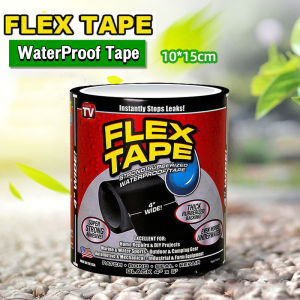
Seeko Waterproof and Leak Sealing Materials: House Crack Sealing Tape Butyl Roll Self-Adhesive Strength
X CRAFT HOME 1Pcs Connector Adapter: A Comprehensive Guide