

We all dream of a clear, radiant complexion, but facial dark spots, which is often called hyperpigmentation can feel like a stubborn barrier to that goal. Whether they are remnants of a past breakout or a constant reminder from a summer in the sun, these patches of increased melanin can affect your self-confidence.
The good news? Understanding the “why” behind your skin’s behavior is the first step toward effective treatment. Below, we explore the causes of dark spots and the most effective ways to restore your skin’s natural glow.
Understanding the Roots of Dark Spots
Dark spots occur when the skin overproduces melanin, the pigment that gives our skin its color. When this production goes into overdrive in specific areas, it creates spots that are darker than the surrounding skin.
Common Causes Include:
Sun Damage: Also known as solar lentigines or “liver spots,” these are caused by years of UV exposure.
Post-Inflammatory Hyperpigmentation (PIH): These are the lingering marks left behind after an injury or skin condition, such as acne or eczema, has healed.
Hormonal Shifts: Often called “the mask of pregnancy” or Melasma, these patches are triggered by shifts in estrogen and progesterone.
Medication Side Effects: Certain anti-inflammatories and chemotherapy drugs can increase skin sensitivity and pigmentation.
Top Natural Remedies for Fading Pigmentation
If you are looking for a gentle start, several pantry staples contain active compounds that can help brighten skin over time. While results take consistency, these remedies are popular for their accessibility.
- Papaya (The Natural Exfoliator) Papaya contains Alpha-hydroxy acids (AHAs) and papain enzymes. These act as natural chemical exfoliants, dissolving the “glue” that holds dead, pigmented skin cells together to reveal brighter skin underneath.How to use: Mash ripe papaya and apply it as a mask for 15 minutes before rinsing.
- Turmeric (The Inflammation Fighter) Turmeric contains curcumin, a potent antioxidant that inhibits the production of melanin. It is particularly effective for spots caused by inflammation.How to use: Create a paste using turmeric and a little water or honey. Apply to spots for 20 minutes.
- Aloe Vera (The Soothing Healer) Aloe contains aloin, a natural depigmenting compound that has been shown to lighten skin and work effectively as a non-toxic treatment for hyperpigmentation.How to use: Apply pure gel to affected areas before bed and rinse in the morning.
- Yogurt and Milk (The Lactic Acid Boost) Dairy products are rich in lactic acid, a mild AHA that gently peels away darkened surface cells while hydrating the skin.
How to use: Apply plain yogurt to the face for 10–15 minutes twice a week.
Clinical and Over-the-Counter Solutions
Sometimes, home remedies need a boost from science. When looking for products, keep an eye out for these gold-standard brightening ingredients:
Vitamin C: A powerful antioxidant that blocks the enzyme responsible for melanin production.
Niacinamide: Helps prevent the transfer of pigment to skin cells.
Retinoids: Accelerate cell turnover, forcing dark spots to fade faster as new skin replaces them.
Azelaic Acid: A gentle acid that specifically targets “abnormal” pigment-producing cells.
Prevention: Your Best Defense Treating dark spots is a marathon, not a sprint. To prevent new spots from forming while you treat old ones, follow these non-negotiables:
Sunscreen Always: Even on cloudy days, UV rays trigger melanin. Use an SPF of 30 or higher daily.
Hands Off: Picking at acne or scabs is the #1 cause of PIH. Let your skin heal naturally.
Gentle Care: Avoid harsh scrubs that can cause micro-tears and subsequent inflammation.
When to See a Dermatologist While most dark spots are harmless, any spot that changes shape, bleeds, itches, or has irregular borders should be evaluated by a professional. Dermatologists can also offer faster-acting treatments like chemical peels, microdermabrasion, or laser resurfacing if at-home methods aren’t delivering the desired results.
Quick & Easy Solutions: Top Product Recommendations
While home remedies are a great natural start, dermatological science has developed powerful formulations that can speed up the fading process. If you are looking for faster, targeted results, here are the top-rated product categories for treating hyperpigmentation.
Pro Tip: When shopping, look for products that come in opaque or dark packaging, especially for Vitamin C, as light and air can degrade the active ingredients.
Check ratings, reviews, and LazMall/”100% authentic” tags so you know you’re getting safe, good‑quality items.
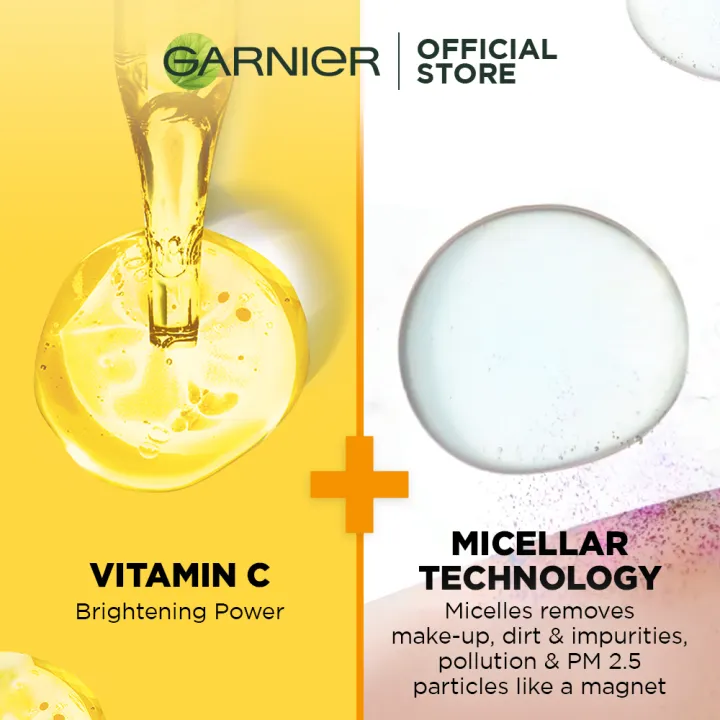
Product 1: Garnier Vitamin C Brightening Micellar Water
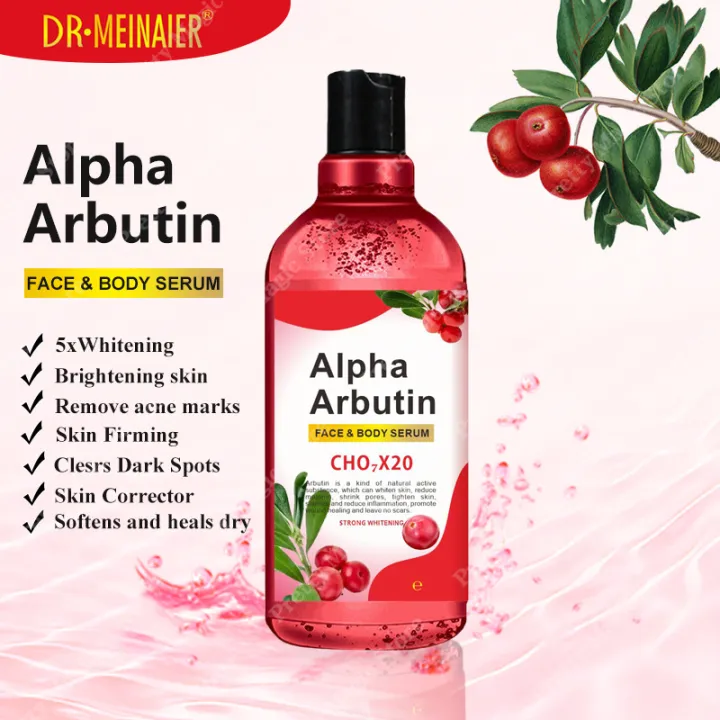
Product 2: Alpha Arbutin Body Serum 500ml
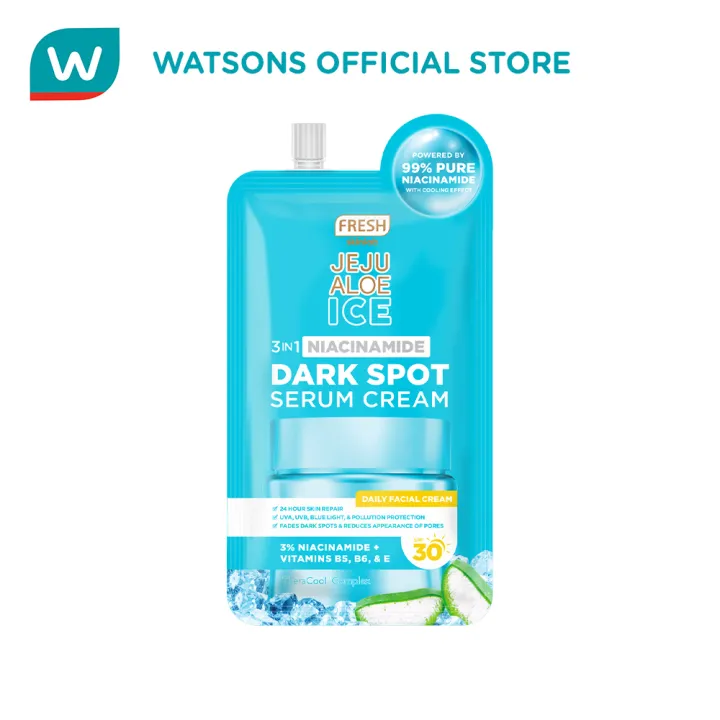
Product 3: FRESH Skinlab Jeju Aloe Ice 3 in 1 Niacinamide Dark Spot Serum Cream SPF 30
Summary
Dark spots are a common part of the skin’s aging and healing process. By combining protective habits like daily SPF with targeted natural remedies or clinical ingredients, you can significantly reduce discoloration. Consistency is key; most treatments take 4 to 8 weeks to show visible improvement.
Frequently Asked Questions (FAQs)
How long does it take for dark spots to fade? On average, surface-level spots can take 6 to 12 months to fade naturally. With targeted treatments, you may see results in as little as 4 to 8 weeks.
Can lemon juice remove dark spots? While lemon contains Vitamin C, it is highly acidic and can cause “phytophotodermatitis”—a severe skin reaction when exposed to sunlight. It is generally safer to use stabilized Vitamin C serums instead.
Does drinking water help with dark spots? Hydration improves overall skin health and elasticity, which helps the skin heal faster, but it does not directly “wash away” melanin deposits.


